August 4, 2026
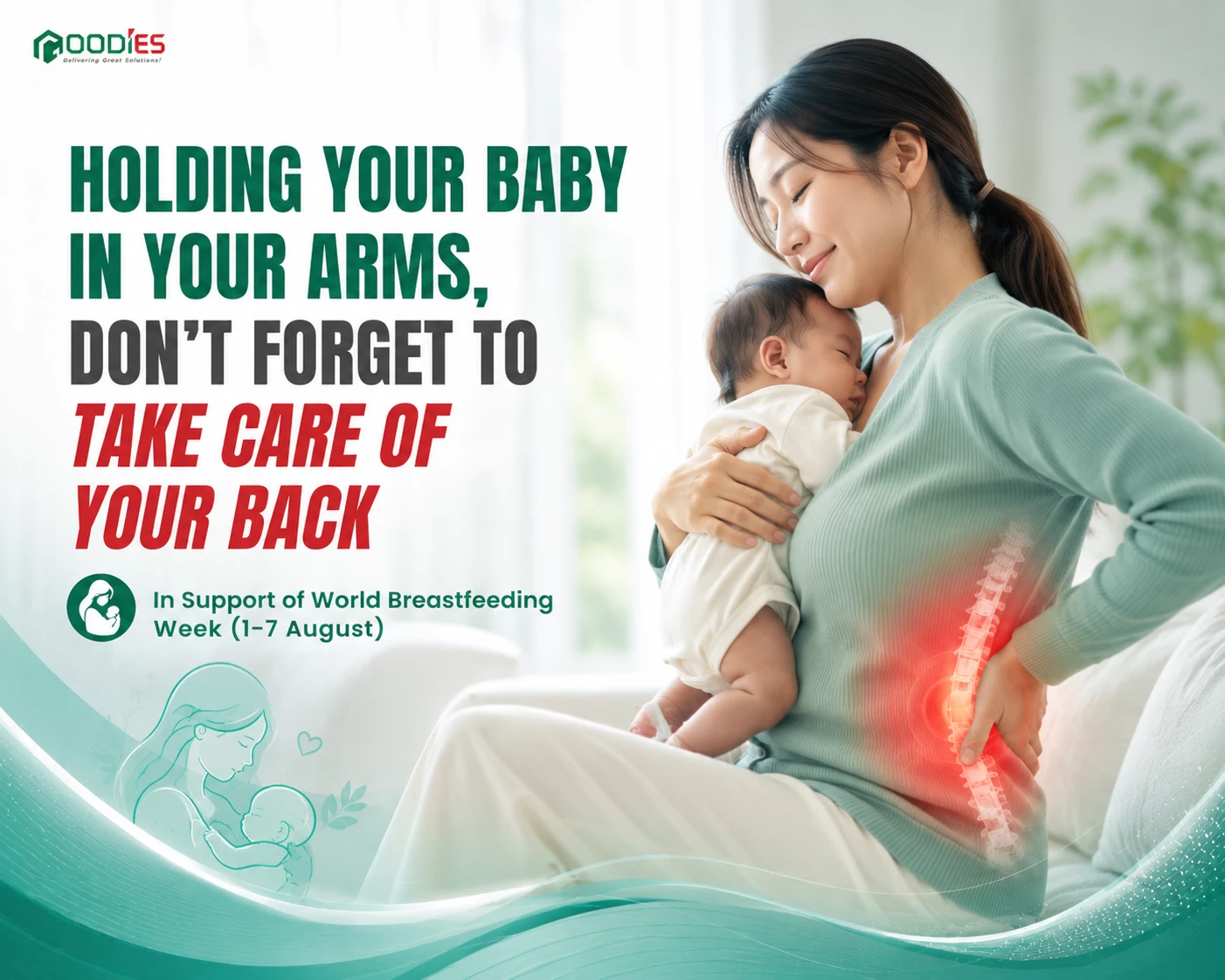
In support of World Breastfeeding Week (August 1–7)
The sound of your baby's cries, sleepless nights, countless hours of holding and breastfeeding... From the moment your baby is born, motherhood often becomes a full-time commitment to caring for a precious new life. Yet amid this joy, many mothers quietly endure postpartum back pain, believing it is simply "part of being a mom." If your back pain is affecting your daily life, talk to your healthcare provider as soon as possible for proper assessment and advice, especially if further treatment may be needed.
Common recommendations to help relieve postpartum back pain:
During your daily activities, remember to:
Walking is an excellent way to ease back into physical activity. During the first few weeks, keep your pace slow and your walks short. Walking is generally considered a safe exercise that can often be resumed soon after both vaginal and cesarean delivery.
Once your healthcare provider gives approval, you may also:
Most importantly, listen to your body. If any movement or exercise causes discomfort, stop and rest.
Make time to help your body recover and relax:
World Breastfeeding Week is a time to celebrate the incredible journey of breastfeeding, but it is also a reminder that while caring for your baby, mothers deserve care too. A healthy body gives you the strength to nurture, support, and enjoy every precious moment with your little one during those early years.
You can find more details on our Facebook page!